Cold-Climate Home Performance for Canadian Homeowners
Technical reference on insulation materials, air sealing methods, window glazing performance, and heating system efficiency — written for Canadian climate conditions and building code requirements.
RSI 8.6+
Recommended attic insulation for most Canadian climate zones
2.5 ACH50
National Building Code target for air tightness in new construction
ER 34+
ENERGY STAR minimum energy rating for windows in Climate Zone C
6+ months
Heating season length in most of central and northern Canada
Insulation, Air Sealing & Windows
Three interconnected areas of the building envelope — each with its own materials, performance targets, and installation requirements for cold climates.

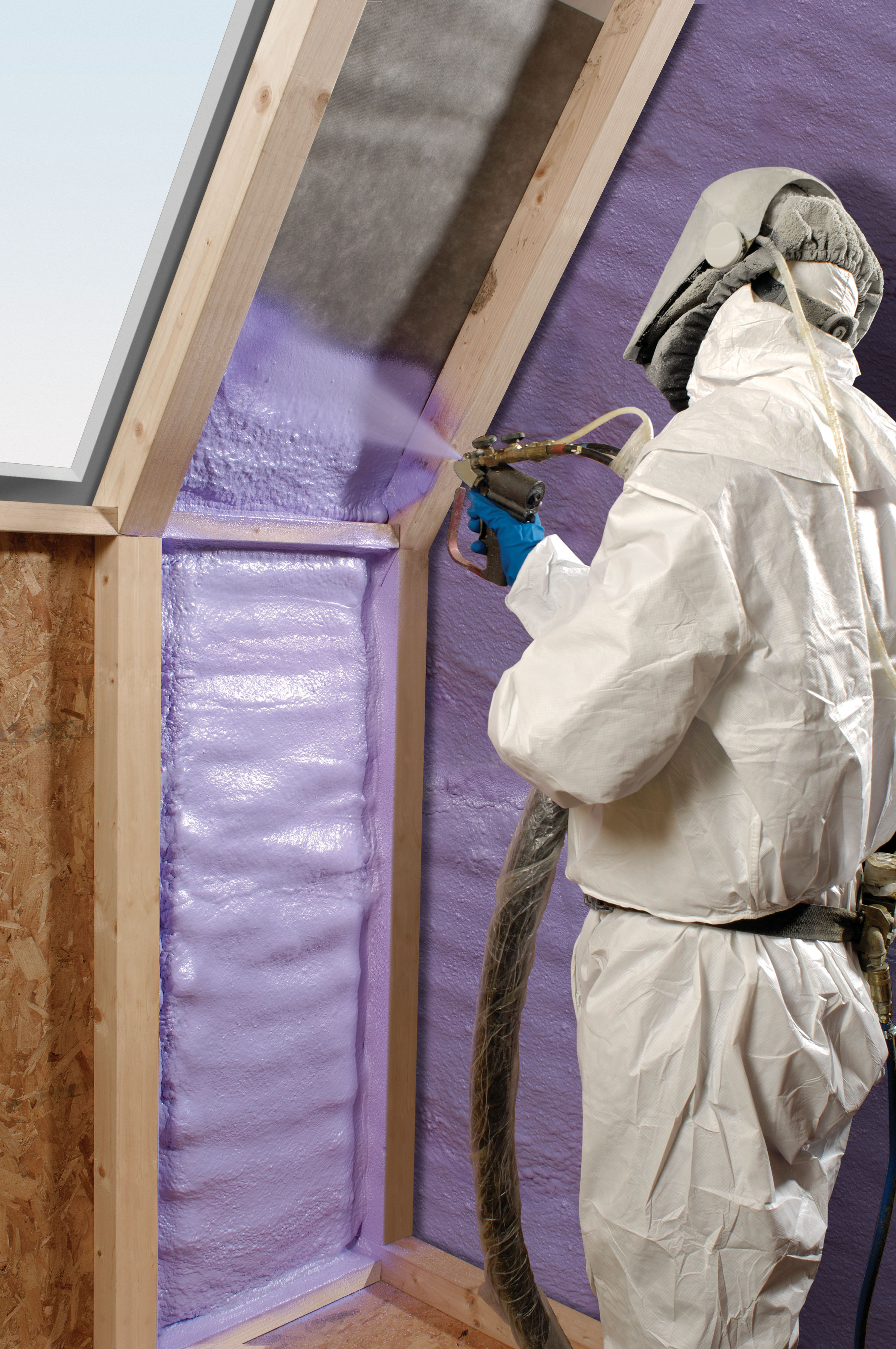

Insulation and Air Sealing Are Not the Same Thing
Insulation slows conductive heat loss through solid materials. Air sealing stops warm air from physically leaving the building. Older Canadian homes typically lose more heat through air leakage than through under-insulated walls.
Read the Air Sealing GuideKey Considerations by Building Zone
Different parts of a cold-climate home have different dominant heat loss mechanisms — and different upgrade priorities.
Attic Floor
The primary air sealing and insulation priority in most pre-1990 Canadian homes. Bypasses around partition top plates and recessed lights are common. Target RSI 8.6–10.6 with blown cellulose or loose-fill fibreglass.
Basement Rim Joist
Cold air entry point at the junction of the foundation wall and the floor framing. Closed-cell spray foam at 75–100 mm simultaneously insulates and air seals this location.
Exterior Walls
Standard 2×6 framing with fibreglass batts achieves approximately RSI 3.5, but thermal bridging through studs reduces effective performance. Continuous exterior rigid insulation eliminates the bridge.
Window U-Factor vs. Wall RSI: The Order-of-Magnitude Gap
A well-insulated wall reaches RSI 3.5 or higher. A 1990s double-pane window achieves RSI 0.35 to 0.50 — one-tenth the resistance. In rooms with large north-facing glazing, this discrepancy drives comfort complaints and elevated thermostat settings.
Read the Glazing Guide
Canadian Building Code Context
Insulation and envelope requirements in Canada are set through the National Building Code (NBC), with provincial adoptions that sometimes raise the minimums. Climate-specific requirements are expressed using Heating Degree Days (HDD) — the cumulative temperature difference between 18°C and the mean daily temperature for days when heating is required.
Cities like Toronto and Vancouver fall in lower HDD ranges (around 3,500–3,700 HDD); Edmonton and Winnipeg approach 5,500–6,000 HDD; northern communities exceed 8,000 HDD. Each step up in HDD typically corresponds to higher minimum insulation requirements and stricter air leakage targets.
The 2020 edition of the NBC introduced updated air tightness requirements for new construction (2.5 ACH50 for Part 9 residential buildings) and is progressively being adopted across provinces on their own schedules.
Insulation Types ReferenceQuestions or Corrections?
If you notice a factual error or have a question about content on this site, use the contact form on the About page.
Contact Us